
I. Characteristics of Carbon Fiber Masts
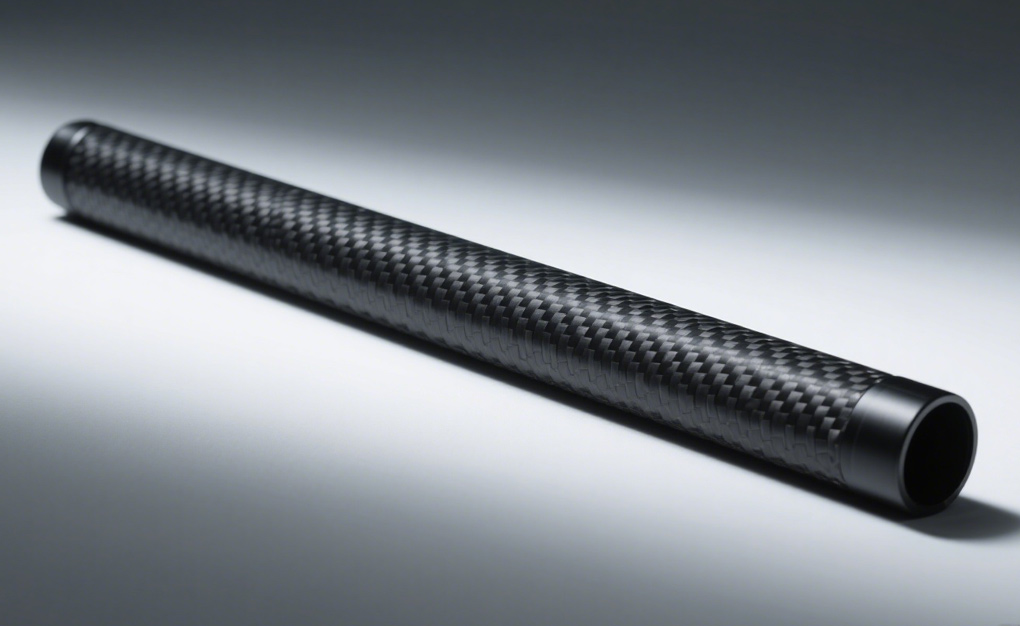
Leveraging the excellent performance of carbon fiber materials, carbon fiber masts exhibit numerous outstanding characteristics. First and foremost, they boast extremely high specific strength—while ensuring sufficient strength, they are far lighter in weight than traditional metal masts, such as aluminum alloy masts and steel masts. This characteristic is crucial for equipment that needs to reduce its own weight to enhance overall performance, such as ships and aircraft, as it can effectively lower energy consumption and improve operational efficiency.
Secondly, carbon fiber masts exhibit excellent rigidity—they are not prone to deformation when bearing heavy loads and can maintain a stable structural form. Whether they are impacted by wind and waves during ship navigation or subjected to external forces in other application scenarios, they can perform stably. Meanwhile, carbon fiber materials have good corrosion resistance; unlike metal masts, they are not easily eroded by seawater, humid air, and other substances, which significantly extends the service life of the masts and reduces maintenance costs.
Additionally, carbon fiber masts feature high fatigue strength. Under long-term repeated stress, they can still maintain good performance and are less likely to suffer from fatigue failure—this gives them a significant advantage in scenarios requiring long-term use.
II. Applications in Various Fields
Marine/Vessel Field:Carbon fiber masts are widely used in ships such as sailboats and yachts. Traditional metal masts are relatively heavy, which increases a ship’s displacement and resistance. However, the lightweight property of carbon fiber masts can effectively address this issue, making ships more agile and faster during navigation. Meanwhile, their excellent rigidity and corrosion resistance enable the masts to operate stably in complex marine environments, withstand the test of wind and waves, and enhance the navigation safety and reliability of ships. For instance, some high-end racing sailboats generally adopt carbon fiber masts to pursue extreme speed and performance.
Aerospace Field:On aircraft such as airships and hot-air balloons, carbon fiber masts can be used as support structures. Since aircraft have extremely strict weight requirements, the lightweight property of carbon fiber masts can effectively reduce the total weight of the aircraft, improving its load-carrying capacity and endurance. Furthermore, their excellent rigidity and stability can provide reliable support for the aircraft's structure, ensuring flight safety.
Telecommunications Field:In some communication base stations, carbon fiber masts can be used as support structures for antennas. Their lightweight property facilitates installation and transportation; meanwhile, their corrosion resistance allows them to operate stably for a long time in various harsh outdoor environments, ensuring the normal operation of communication equipment. Additionally, their high strength can keep antennas in a stable position under external forces such as wind, thus guaranteeing the quality of communication signals.
III. Production Process
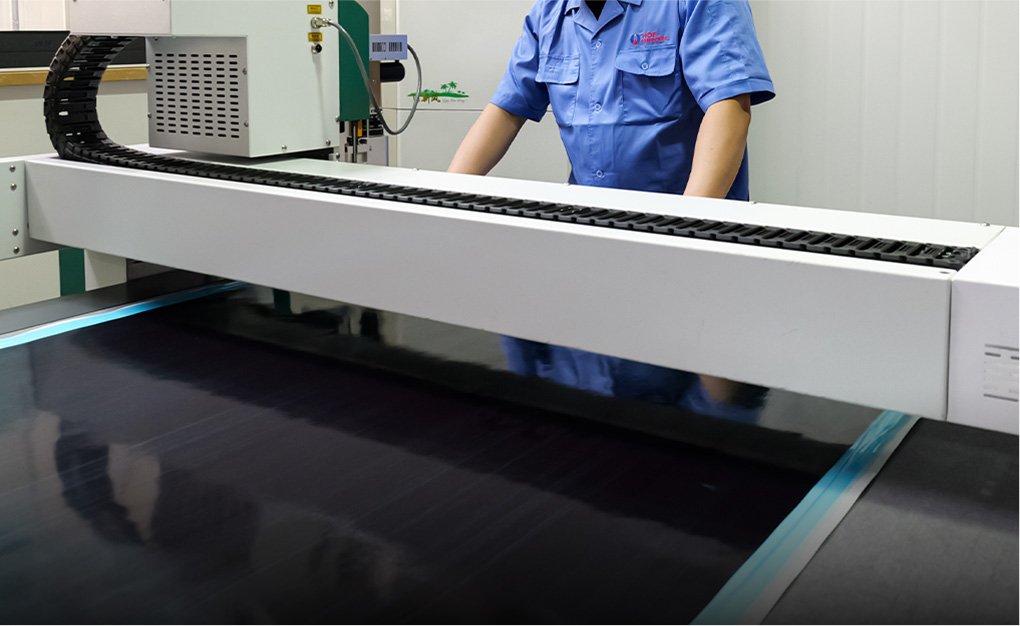
The production process of carbon fiber masts is relatively complex. First, carbon fiber filaments need to be woven into fabric, and then the carbon fiber fabric is cut into appropriate patterns according to the designed shape and size of the mast. Next, the cut carbon fiber fabric is combined with resin (usually epoxy resin) in a certain proportion, a process known as impregnation. After that, the resin-impregnated carbon fiber fabric is laid in a mold, and the resin is cured by means of pressure application, heating, and other methods to form the preliminary shape of the mast.
During the curing process, parameters such as temperature, pressure, and time must be precisely controlled to ensure that the carbon fiber and resin fully integrate, forming a uniform and robust structure. After curing is completed, subsequent processing such as cutting and polishing of the mast is required to make it meet the designed dimensional and precision requirements. The entire production process has high demands on technology and equipment to ensure that the performance of the carbon fiber mast complies with the application standards.
Please reply to us via email and mobile phone to discuss your product requirements and learn more product details for free.